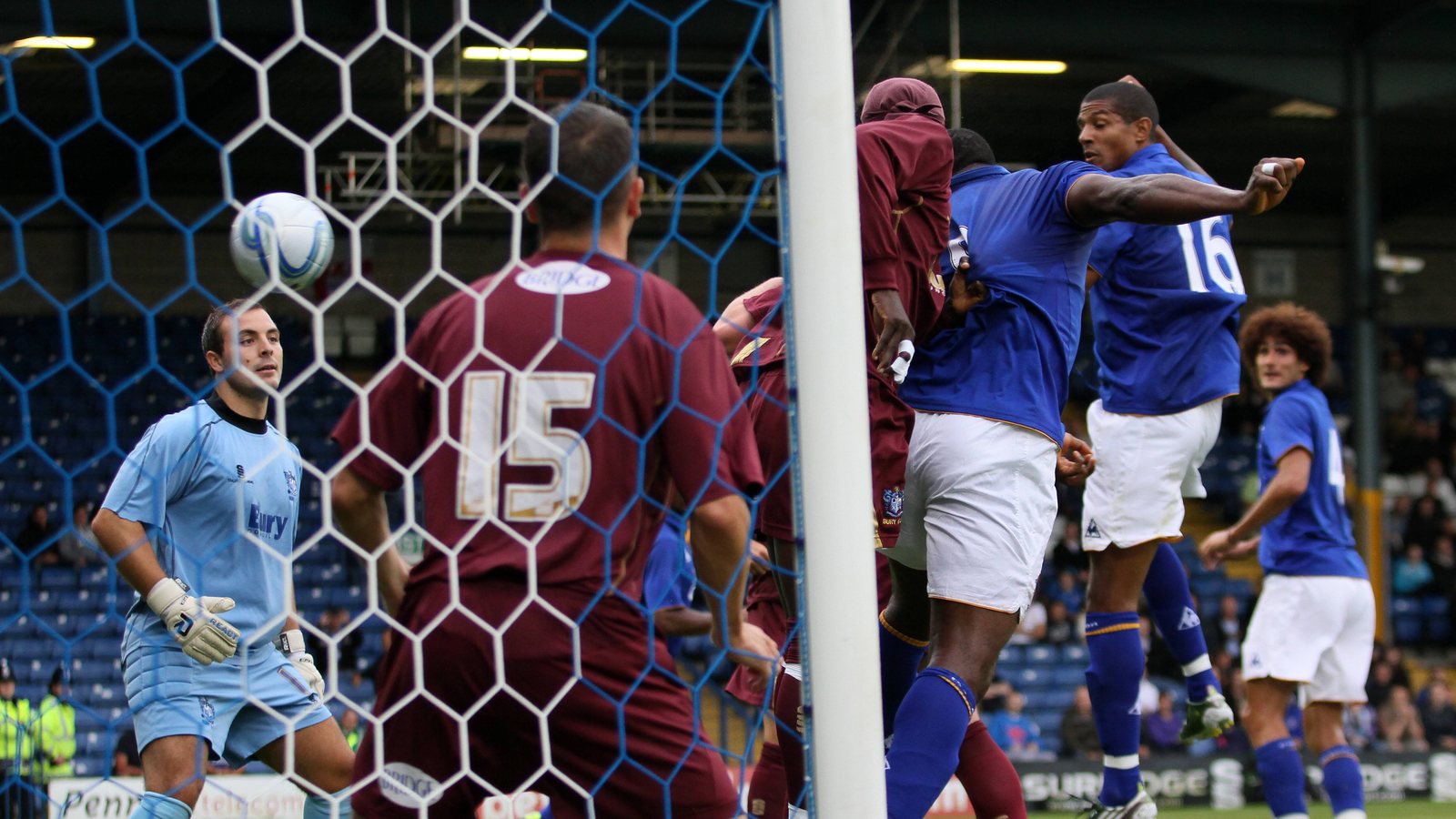
Thursday, 26 May 1983, Wembley. Bryan Robson scored twice as Manchester United beat Brighton & Hove Albion 4-0 in the FA Cup final replay, five days after a 2-2 draw. Somewhere in the noise of that spring was a record the players had made themselves, still the song most people mean when they search for the Manchester United anthem, from Salford to Surulere.
| At a glance | |
|---|---|
| Song | Glory Glory Man United |
| Tune | The Battle Hymn of the Republic, itself built on John Brown's Body (public domain) |
| Written by | Frank Renshaw |
| Original recording | 1983 EMI 7-inch single, catalogue EMI 5390, credited to Manchester United Football Team |
| Studio and producer | Strawberry Studios, Stockport; produced by Peter Tattersall |
| Best-known line | “as the Reds go marching on” |
| GGMU | Initialism of Glory Glory Man United |
| Where to listen | Spotify and Apple Music, 2 minutes 55 seconds |
This page used to host the lyrics and an MP3. It no longer does. Here is the story of the song instead.
Where the Manchester United anthem came from
The melody is older than football. Julia Ward Howe wrote the words of The Battle Hymn of the Republic in November 1861, and The Atlantic Monthly printed them in February 1862. The music came from an older camp-meeting hymn, the one behind John Brown's Body. Terraces have borrowed it freely ever since. Tottenham Hotspur supporters are generally credited as the first, swapping “Hallelujah” for the club's name in the early 1960s. Leeds United fans had a version too. So did others.
Football Ground Guide, a site devoted to grounds and chants, says the song “has become synonymous with Man Utd thanks to the 1983 FA Cup final”. Fair enough.
That final is the hinge.
The 1983 single: the original song
The record behind the search for the “original song” is a 7-inch single released by EMI in the UK in 1983, credited to Manchester United Football Team and catalogued as EMI 5390. Its credits name Frank Renshaw as writer of the A-side and Peter Tattersall as producer. It was cut at Strawberry Studios in Stockport. The B-side, The Wembley Trail, was by The Wave Band.
Renshaw was a working musician from the Manchester scene who passed through several groups, Herman's Hermits among them, and cover-song archives record his composition as borrowing from John Brown's Body, which squares with the melody the Stretford End already knew.
The refrain everyone knows ends with the Reds going marching on. That is as much as we will quote.
The World Red Army medley and the 1977 question
Many listeners confuse the squad's single with the Glory Glory Man United Medley by The World Red Army, which appeared as a single in December 2011. It strings the chorus together with other terrace songs. Different record entirely.
Searches for “glory glory man united 1977” are common, and understandable. United beat Liverpool 2-1 in the FA Cup final on 21 May 1977 under Tommy Docherty. Fan versions blur the two Wembley days. We found no Glory Glory Man United single from 1977.
GGMU, Old Trafford and where to listen
GGMU is simply the initialism of the song's title. Online it is a sign-off. After a derby win, a celebration. After a bad night, a shrug.
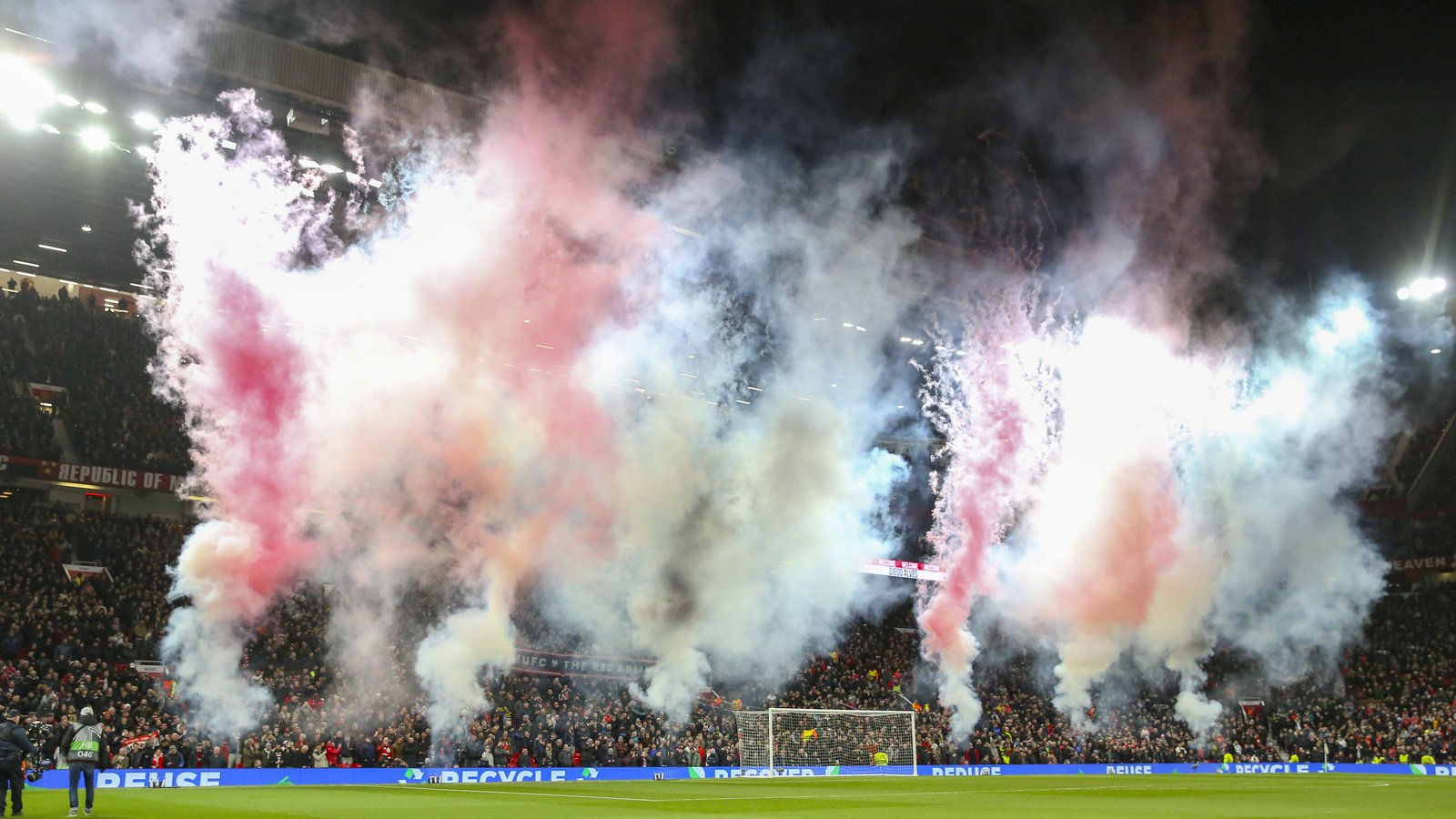
At Old Trafford the song never fully went away, though its standing is argued over. Football Ground Guide says it “is still sung today, albeit not as often as it once was”. Some fans, the site adds, want the club “to stop blaring out of the speakers after matches, considering the current lack of glory at the club”. Harsh, perhaps. Supporters of the neighbours, who have piled up trophies of their own in recent years, will happily agree.
Use licensed services. The 1983 track is on Spotify and Apple Music. Why no MP3 here any more? The recording and composition are commercial works published through EMI, and we do not hold the rights to them. Our Liverpool anthem page follows the same rule.
From Wembley to Surulere: the Nigerian connection
In Nigeria the anthem lives in viewing centres. In 2011 Weekly Trust visited one in Tudun Jukun, Zaria, whose owner said he made up to N8,000 on the night Barcelona met Manchester United in the Champions League final. United are not alone, mind. One operator told The Guardian Nigeria in 2017 that “Nigerians are more of Chelsea fans, followed by Man United and Arsenal”. A United fan in Zaria, Rabi'u Adamu, had satellite channels at home and still went out. “If I stay in my house with whom would I argue?” he told Weekly Trust.
Organised support exists as well. MUSC Nigeria says it aims to become the first official Manchester United Supporters Club in the country, with chapters nationwide; we could not confirm that the club has granted that status. The bond is real. Odion Ighalo, a boyhood United fan, joined on loan from Shanghai Shenhua in January 2020. Ima Mfon's 2016 VICE Sports photo series documented United shirts around Lagos.
Our view
A song recorded by footballers in a Stockport studio for one cup final has outlived the era that made it, so stream the real thing, sing the chorus at the viewing centre, and leave the full lyrics to the people who own them.
This anthem is spread all over the world, from the UK to South Africa
This article was most recently revised and updated 6 hours ago